
BloomChic | A Re-Imagining
BLOOMCHIC HK LIMITEDShopping
4.71.00K Reviews
- Version
- 4.2.2
- Installs
- 500.00K
- Age Rating
- Everyone
Screenshots
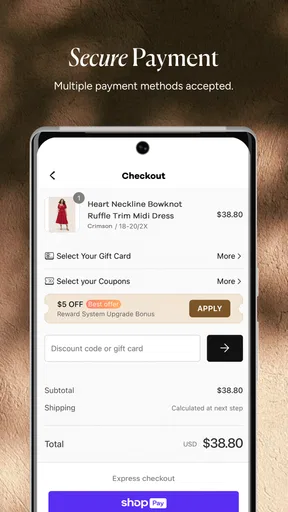
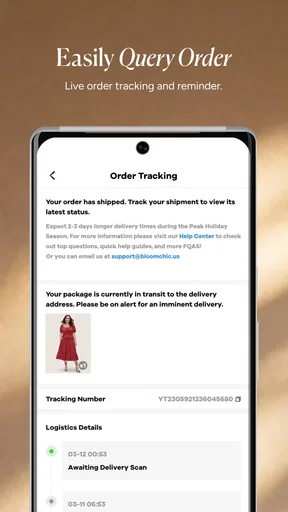
Our Review of BloomChic | A Re-Imagining
 Analysis by Appyee
Finding clothes that feel current, comfortable, and available in a broader size range can take more effort than it should. I approached BloomChic as a shopping app rather than simply another fashion storefront, paying attention to how useful it is when I already have an outfit in mind, when I am browsing without a plan, and when I need to decide whether an unfamiliar item is worth the risk. My overall impression is positive, especially for women looking through sizes 10 to 30, but the experience works best when I shop deliberately instead of treating every attractive image as an easy purchase.
The app is free, belongs to the Shopping category, and is developed by BLOOMCHIC HK LIMITED. It is rated for Everyone, which makes it straightforward to install and explore. The Android listing shows a 4.7 average from around 2.4 thousand ratings, alongside more than 500 thousand installs. Those figures suggest a healthy level of interest, but I would still use the app’s product information carefully before buying, because a strong store rating cannot replace checking fit, fabric details, and the return conditions that apply to an individual order.
How I Decide Whether BloomChic Is Worth Using
I decide whether BloomChic is worth keeping by asking if it helps me make better wardrobe choices after the initial browsing appeal wears off. I look for a repeatable reason to return—such as finding styles in my size range that work with clothes I already own—rather than treating a full basket as proof of value. That longer view makes it easier to weigh the app’s convenience against the attention online fit decisions require.
Start with fit, not the photograph
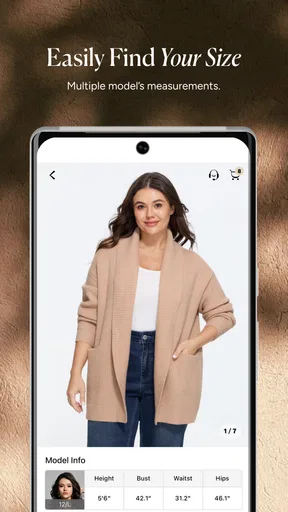
The most important decision is whether the app’s size range matches what I actually need. BloomChic is aimed at women’s fashion in sizes 10 to 30, so its appeal is much more specific than that of a general marketplace. I would begin by measuring myself and comparing those measurements with each item’s own size information rather than assuming that one familiar label will fit consistently across dresses, tops, trousers, and outer layers.
This is a useful habit for any online fashion purchase, but it matters particularly here because the same nominal size can feel very different depending on the cut. A relaxed blouse, a fitted dress, and a pair of structured trousers should not be judged by the label alone. I would also look at the garment description for clues about stretch, sleeve shape, waist placement, and length. Those details help answer the practical question that a polished product image cannot: will this piece work with the way I normally move and dress?
Decide whether you are browsing or solving a wardrobe problem
I found the app easier to assess when I gave myself a clear purpose. Browsing for “something nice” can quickly turn into a long scroll through different styles, while shopping for a work top, a weekend layer, or an outfit for a specific event gives every product a job to fill. That approach also makes comparison easier. Instead of asking only whether I like an item, I can ask whether it works with shoes I already own, whether I can wear it in more than one setting, and whether its care requirements are realistic for me.
For a practical session, I would save a small group of candidates, then compare their silhouettes and details side by side. The strongest choice is not always the most eye-catching one. A top that coordinates with several existing bottoms may deliver more value than a dramatic piece that needs a completely new outfit around it. This is one of the better ways to keep a fashion app from encouraging impulse decisions.
Use the app as a discovery tool, then verify the purchase
BloomChic is most useful when I treat it as a place to discover styles that are harder to find in a local high-street selection. The size focus gives the catalog a clear identity, and that can save time for shoppers who are tired of filtering out items that stop at smaller sizes. At the same time, discovery and buying are two different stages. Before placing an order, I would reread the item information, inspect every available image, and confirm the selected size and color at checkout.
This extra pause is not a criticism of the app alone; it is a sensible safeguard for online clothing. Screen color can vary, proportions can look different on a model, and a fabric that appears structured may feel lighter or softer in person. If I am uncertain about an item, I would choose the one with the clearest description and the most useful visual information rather than relying on a particularly attractive photograph.
A realistic everyday shopping session
Imagine I need an outfit for a casual dinner but do not want to buy something that will sit unused afterward. I would open BloomChic, look for a dress or separates that suit the occasion, and immediately narrow my thinking to pieces I can combine with a cardigan, jacket, or shoes already in my wardrobe. I would check the measurements before becoming attached to a particular style, then compare the item with one or two alternatives in a different cut.
At that point, I would ask three questions: can I move comfortably in it, can I wear it again in a less formal setting, and am I prepared for the possibility that the fit will need adjustment? If the answer to the last question is no, I would favor a forgiving silhouette over a highly fitted design. That workflow turns the app from an endless source of temptation into a more controlled shopping assistant.
What makes the catalog useful for the right shopper
The clearest strength is focus. Someone shopping in the 10-to-30 range may find it more efficient to begin in an app built around that audience than to visit a general retailer where the extended-size section feels secondary or inconsistent. BloomChic’s identity also makes it easier to browse with a particular body-size need in mind, rather than repeatedly discovering that a promising item is unavailable in a usable size.
I also appreciate the possibility of building an outfit around a single item instead of searching only for basics. That can be helpful for people who want more personality in their wardrobe but still need the convenience of online shopping. The app is especially appealing if I enjoy trying different colors, prints, and silhouettes and am willing to spend a few minutes evaluating how each piece would fit into real life.
The real advantage is not simply having more clothes to scroll through; it is starting from a size range that is relevant to the shopper. That distinction matters. A large catalog is not automatically useful if most of it requires filtering or compromises. Here, the audience focus is the reason I would open the app in the first place.
Small habits that improve the experience
My first tip is to keep personal measurements accessible while browsing. A note on the phone with bust, waist, hip, and inseam measurements is more dependable than memory, especially when comparing different garment types. My second tip is to judge the intended fit, not just the body measurement. A loose shirt should not be evaluated by the same expectations as a body-skimming dress.
My third tip is to create a short list before making a decision. Saving every appealing item makes comparison harder, while a shortlist of three or four pieces exposes the trade-offs more clearly. I would compare versatility, fabric information, shape, and how much alteration or special care each item might require. This method is particularly useful when an image is persuasive but the description leaves important practical questions.
A fourth useful habit is to shop around a wardrobe anchor. If I already own black trousers, a denim jacket, or neutral shoes that I wear often, I can select new pieces that extend those items instead of starting from scratch. This reduces the cost of switching to a new shopping app because the first order has a better chance of producing clothes I can use immediately.
Where a general retailer may be a better fit
BloomChic will not be the right choice for everyone. If I need a very specific brand, a familiar in-store fit, or the ability to try something on before paying, a local shop or a retailer with physical locations may be more suitable. The same is true when I need an outfit urgently. Online browsing introduces waiting and uncertainty, so it is a poor substitute for immediate access to a garment that I can inspect personally.
A broad marketplace may also be preferable if I want to compare many brands, materials, and price levels in one place. BloomChic’s focused audience is an advantage when it matches my needs, but it can feel limiting if I am shopping across several categories or looking for a particular label. In that situation, I would use this app for style discovery and another retailer for direct brand comparison rather than forcing one service to do everything.
Where specialist or secondhand options may win
For shoppers with highly specific fit requirements, a specialist retailer that explains garment construction in greater depth may offer a better decision-making process. Someone who needs a precise petite or tall length, a particular support feature, or a very consistent cut across repeated purchases may prefer a brand known for that specialty. BloomChic can still be useful for inspiration, but it should not automatically replace a retailer that solves a more technical fit problem.
Secondhand shopping is another meaningful alternative. It can offer unusual pieces, established brands, and the chance to find garments with a different character. The trade-off is less predictable availability and often more work checking measurements and condition. BloomChic is easier when I want to browse a current collection aimed at its stated size audience; secondhand platforms may be better when uniqueness, reuse, or access to a particular brand matters more than a streamlined catalog.
The cost of changing from another shopping app
Switching to BloomChic is easy at the browsing level because the app is free and the minimum Android requirement is version 7.0. The more important cost is not installation; it is learning a new sizing approach and developing confidence in the catalog. If I already know how a favorite retailer fits me, moving elsewhere means rebuilding that knowledge through careful measurement and cautious first purchases.
I would reduce that risk by making the first order a test of one or two different garment types rather than committing to a full wardrobe refresh. That lets me learn how the listed measurements translate to my body and how the materials feel in practice. I would avoid filling the first basket with several versions of the same fitted item until I had enough experience to know which shapes suit me.
There is also a time cost. A focused fashion app can shorten the search for extended sizes, but online shopping still requires reading descriptions, comparing candidates, and making a plan for items that do not work. If I dislike that process, a store with fitting rooms may be worth the extra travel. If I dislike being limited by local stock, the time spent learning BloomChic may feel worthwhile.
Version and accessibility considerations
The current Android version shown for the app is 4.2.2, and the listed minimum operating system is Android 7.0. That makes the technical entry point reasonably broad for Android users with older devices, although I would still keep the phone’s operating system and app updated when possible. A shopping app is only useful if product images, filters, account functions, and checkout remain comfortable to use on the device I rely on.
The Everyone age rating is also helpful context for households where the app may be installed on a shared device. It describes the app’s general audience, not whether every fashion choice will suit every shopper. I would still make purchasing decisions based on personal fit, budget, and wardrobe needs rather than treating the age rating as a recommendation for a particular style.
What I would check before committing to an order
Before paying, I would take a final pass through the selected item, size, color, and quantity. I would also make sure I understand the delivery and return information presented during the shopping process. These details can affect whether an apparently convenient purchase is actually convenient, especially if I am buying for a fixed event or ordering several pieces with different fit expectations.
I would be especially cautious with items where the fit is central to the design. A loose layer gives me more flexibility if the proportions are slightly different from what I expected, while a fitted waist or narrow sleeve leaves less room for error. For a first order, I would favor pieces that can be styled in several ways and avoid making a time-sensitive event depend entirely on an untested online fit.
My recommendation for different types of shoppers
I recommend BloomChic to women who want a dedicated place to explore fashion in sizes 10 to 30 and who are comfortable making thoughtful online fit decisions. It is a strong starting point when local stores offer limited choice or when general shopping apps make extended-size browsing feel like an afterthought. The free installation makes it easy to explore without committing money simply to access the catalog.
I would recommend it less strongly to someone who needs immediate delivery, insists on trying clothes on first, or wants one retailer to cover every brand and sizing specialty. Those shoppers may be happier with physical stores, a broad multi-brand service, or a specialist built around a particular fit requirement. BloomChic is not a universal replacement for those options, and pretending that it is would set the wrong expectation.
After using it as a focused fashion-shopping destination, I see its value in the combination of audience focus and variety. The best results come from measuring first, narrowing the shortlist, and choosing pieces that connect with clothes already in the wardrobe. If I shop that way, the app feels purposeful rather than overwhelming. If I browse impulsively and ignore the practical details, the attractive presentation can make the decision less reliable.
My final view is that BloomChic deserves a place on the shortlist for size-inclusive women’s fashion, particularly for shoppers who have struggled to find appealing options in the usual retail channels. It is free, accessible on Android devices running version 7.0 or later, and supported by a sizable user base. I would not use it as my only source for every clothing need, but I would return to it when I want to explore styles in my size range and am willing to make the careful checks that online fashion requires.
Verdict
Strengths of BloomChic | A Re-Imagining
- Size-inclusive styles make trend-focused fashion easier to find.
- Frequent new arrivals keep the catalog feeling fresh.
- Product photos show outfits from multiple angles.
- Wish-list tools help save items for later comparison.
- International shopping options broaden access to the brand.
Limitations of BloomChic | A Re-Imagining
- Sizing can vary between garments, so checking measurements is essential.
- Some popular designs may sell out quickly.
- Return conditions may differ by region and order type.
- Shipping times can be longer for international deliveries.
- Final prices may increase after shipping, taxes, or import fees.
Similar Picks in This Category
View All
SHEIN-Shopping Online
Roadget Business PTE. LTD.4.8

Amazon Shopping
Amazon Mobile LLC4.4


Mercado Libre: Compras online
Mercado Libre4.8

Wish: Shop and Save
Wish US Holdings LLC4.7

Alibaba.com - B2B marketplace
Alibaba Mobile4.4
Frequently Asked Questions
What is BloomChic, and what can I buy through the app?
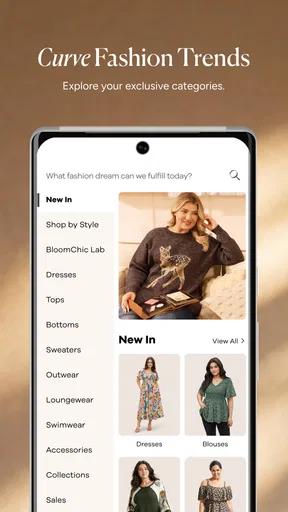
BloomChic is a fashion shopping app focused primarily on plus-size women’s clothing, offering dresses, tops, bottoms, outerwear, activewear, swimwear, accessories, and seasonal collections. After exploring the catalog, users can browse by category, size, style, color, and promotional collection. Product pages generally include photos, descriptions, available sizes, and customer reviews, helping shoppers compare items before placing an order.
Does BloomChic offer inclusive sizing, and how should I choose my size?
BloomChic is designed around more inclusive fashion, but sizing can vary depending on the garment, fabric, and cut. Before ordering, open the individual product’s size chart and compare its measurements with your own rather than relying only on your usual letter or number size. Reviews and customer-uploaded photos can also provide useful information about fit, stretch, length, and whether an item runs small or large.
Are BloomChic products good quality, and do they look like the pictures?
Product quality and appearance can differ between collections, so it is worth checking several details before buying. The app provides product images, material information, measurements, and customer feedback, which together give a better impression than promotional photos alone. Pay particular attention to verified reviews, fabric descriptions, close-up images, and comments about transparency, stitching, stretch, comfort, and how the item looks after washing.
How do shipping, delivery tracking, and returns work on BloomChic?
Shipping options, delivery estimates, tracking availability, and return conditions depend on your location, the selected shipping method, and the current order policy. Review these details during checkout and keep your confirmation email or order number for reference. If you need to return an item, check the applicable time limit, eligibility requirements, condition rules, and whether return shipping or other fees may apply before sending anything back.
Is BloomChic safe to use, and are there discounts available in the app?
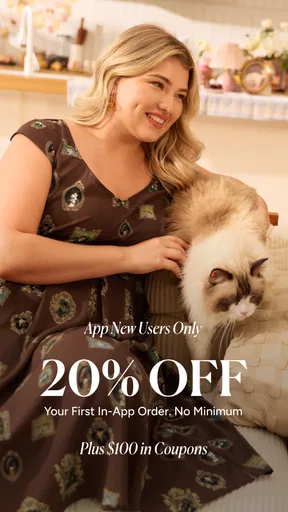
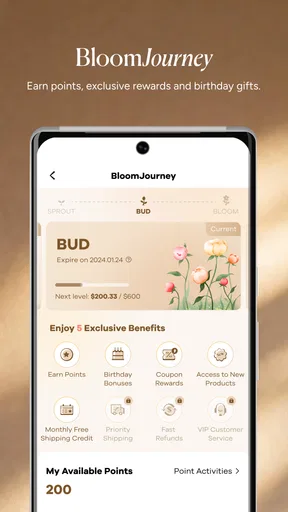
BloomChic can be used to browse products, create an account, save items, and complete purchases through the app, but shoppers should still review payment, privacy, and account settings before ordering. Promotions may include first-order offers, sale prices, coupons, loyalty incentives, or limited-time campaigns. Read each offer’s terms carefully, since minimum spending requirements, exclusions, expiration dates, and coupon restrictions may apply.
